- Category
-
- Male Rod Ends 114
- Male Rod Ends With Nuts 34
- Male Stainless Steel Rod End - Maintenance Free 30
- Thin Section Male Rod Ends 52
- Female Rod Ends 82
- Female Stainless Steel Rod Ends - Maintenance Free 31
- Thin Section Female Rod End 62
- Ball Joint - SQ-RS Series 28
- Ball Joint - SQZ-RS Series 28
- Ball Joint SQD Series 22
- Motorsport Rod Ends 0
- Lock Nuts For Rod Ends, Also know as Half nuts or Jam nuts 78
- Durbal Rod Ends 1
- Rod Ends For Hydraulic Components 55
- Steering Rod Ends 294
- Rod End Bearing, With welding shank 30
Rod Ends
Rod Ends are self-aligning spherical plain bearings available with Male Rod Ends or Female Rod Ends, left and right hand, metric or imperial, stainless steel. Contact surfaces of steel/brass, steel/steel, stainless steel/PTFE & steel/nylon.
What are Rod Ends?
A rose joint, commonly known in technical parlance as a Rod End Bearing, With welding shank, constitutes a refined type of articulating joint. It is characterised by a ball swivel mechanism that facilitates precise angular movement. This arrangement allows for the passage of a bolt or an analogous fastener through the ball swivel's aperture, to which is affixed a threaded shaft, available in both Male Rod Ends and Female Rod Ends configurations.
At Henderson Bearings, our collection encompasses models featuring races made of brass or nylon, including Male Stainless Steel Rod End - Maintenance Free, Female Stainless Steel Rod Ends - Maintenance Free, and Thin Section Male Rod Ends or Thin Section Female Rod End, alongside versions equipped with studs such as Ball Joint - SQ-RS Series, Ball Joint - SQZ-RS Series, and Ball Joint SQD Series.
Initially developed for the aviation sector, rod end bearings have since found widespread application across a diverse range of fields. They are notably prevalent in the automotive and motorsport industries, including Motorsport Rod Ends, as well as motorcycles, marine applications, and various industrial machinery.
Additional accessories and specialised variants include Lock Nuts For Rod Ends, Also known as Half nuts or Jam nuts, Durbal Rod Ends, Rod Ends For Hydraulic Components, and Steering Rod Ends.
-
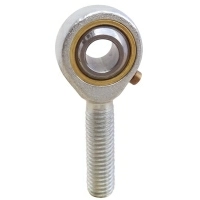
Male Rod Ends
-
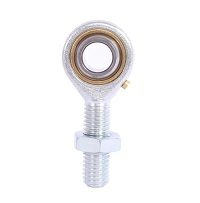
Male Rod Ends With Nuts
-
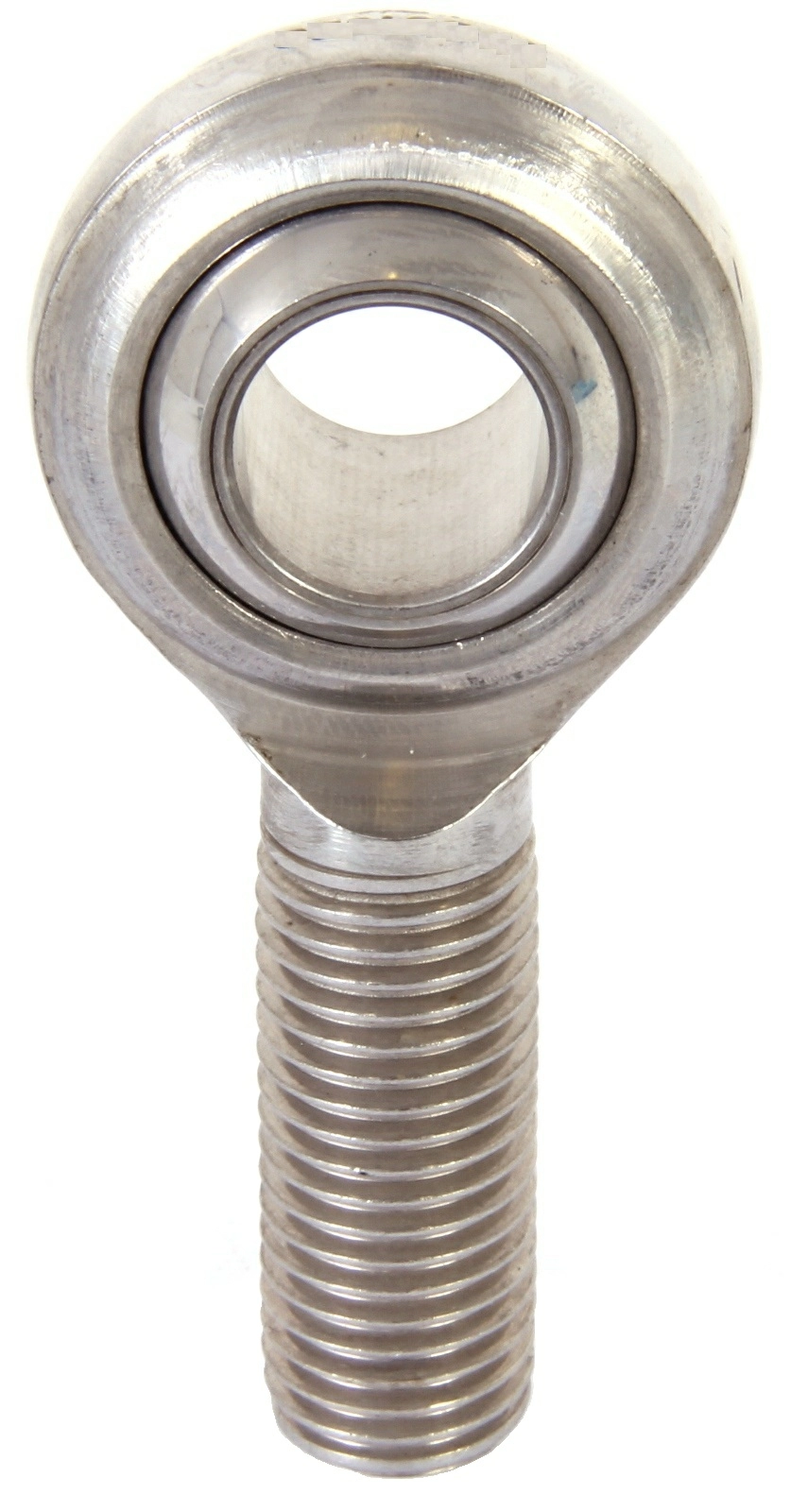
Male Stainless Steel Rod End - Maintenance Free
-
Thin Section Male Rod Ends
-
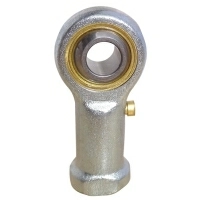
Female Rod Ends
-
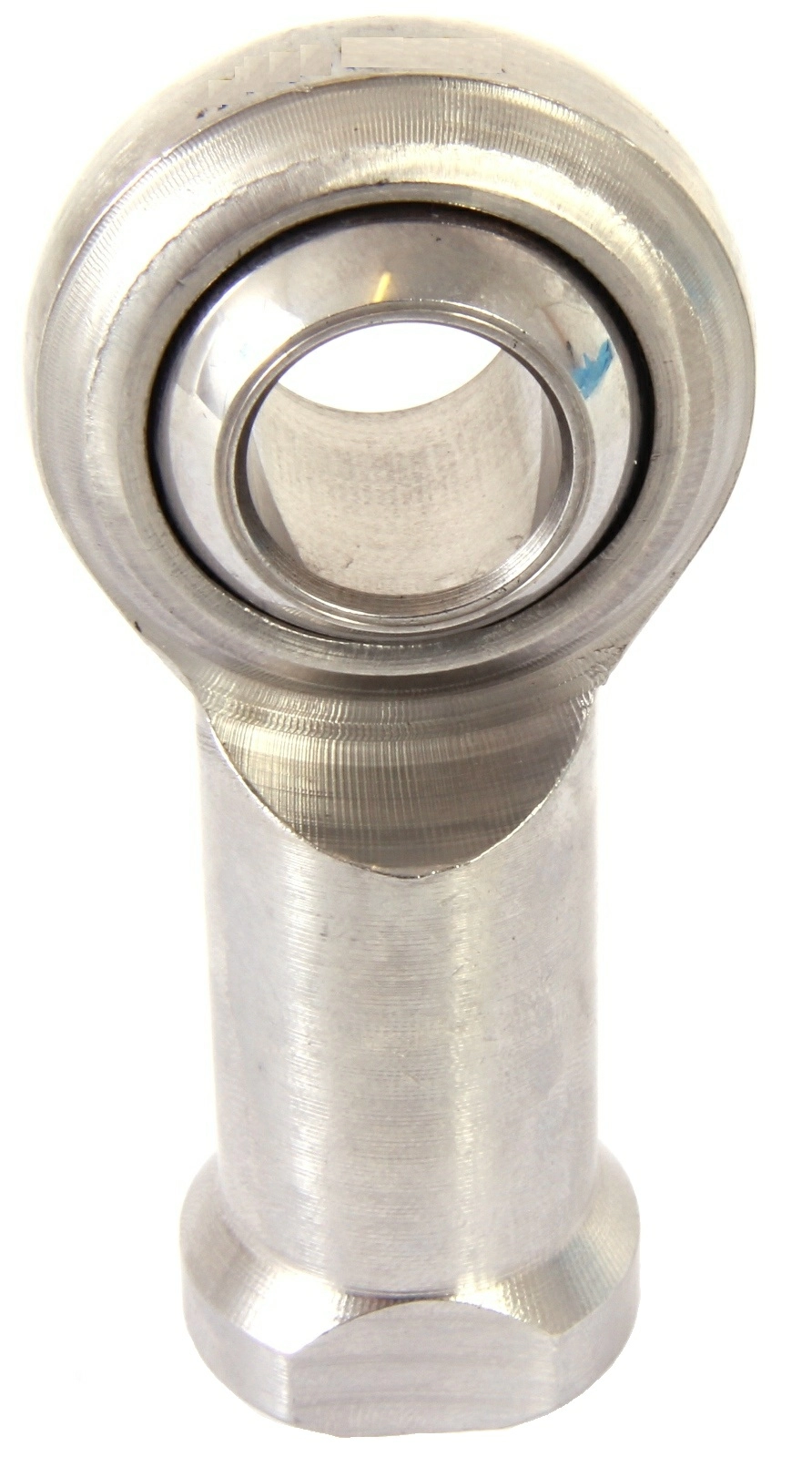
Female Stainless Steel Rod Ends - Maintenance Free
-
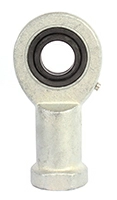
Thin Section Female Rod End
-
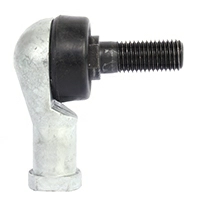
Ball Joint - SQ-RS Series
-
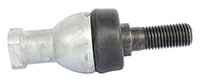
Ball Joint - SQZ-RS Series
-
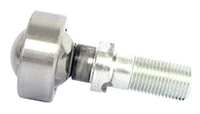
Ball Joint SQD Series
-
Motorsport Rod Ends
-
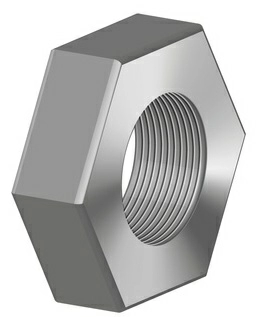
Lock Nuts For Rod Ends, Also know as Half nuts or Jam nuts
-
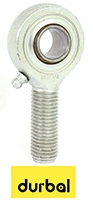
Durbal Rod Ends
-

Rod Ends For Hydraulic Components
-
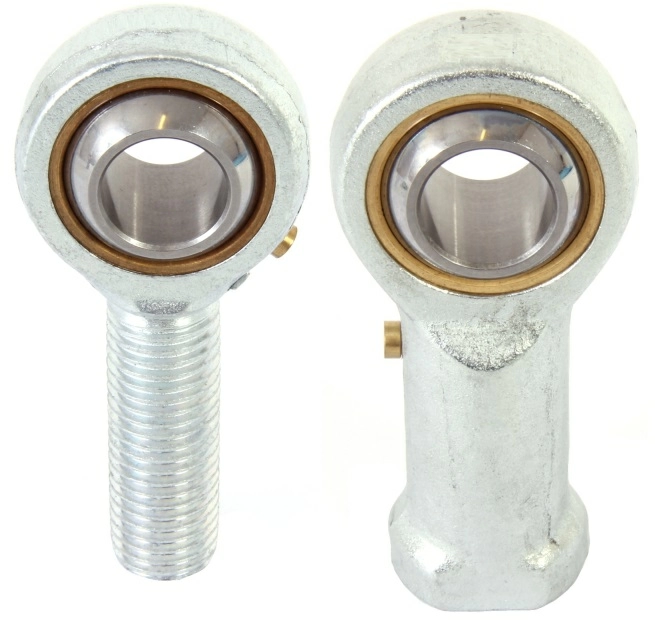
Steering Rod Ends
-

Rod End Bearing, With welding shank
What are rod ends and what role do they play in machinery?
Rod ends are flexible pivot points that allow for angular movement in all directions at the joints of mechanical assemblies. They are often used to connect parts in systems that require precise and controlled movement.
How do I know if I need to replace the rod ends on my machinery?
Signs that you might need to replace your rod ends include noticeable play or looseness at the joint, unusual noises during movement, or visible wear and corrosion. Regular inspections can help you identify when it's time for a replacement.
Are rod ends universal, or do I need to find a specific type for my machinery?
Rod ends come in various sizes and types, each designed for specific load capacities and movement ranges. It's important to select the right rod end for your machinery based on manufacturer specifications or expert advice.
Can I replace rod ends on my own, or should I seek professional help?
If you have experience with mechanical repairs and the right tools, you may be able to replace rod ends yourself. However, due to the precise nature of their function, professional installation is recommended to ensure optimal performance and safety.