Thin Section Male Rod Ends
About Thin Section Male Rod Ends
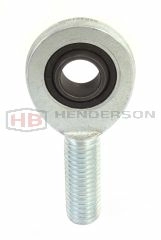
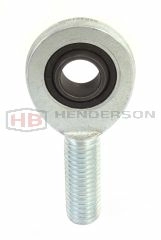
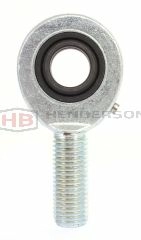
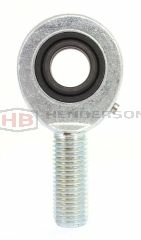
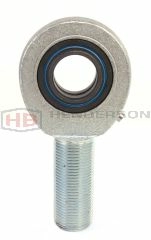
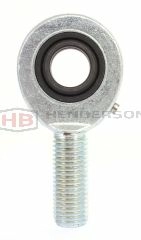
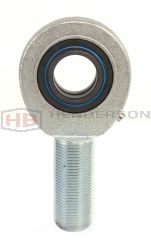
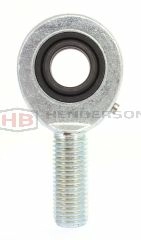
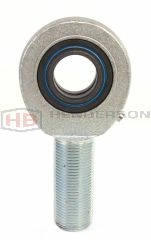
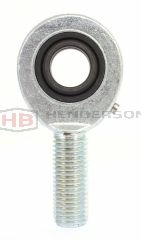
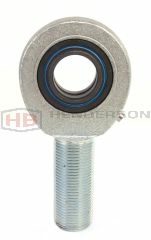
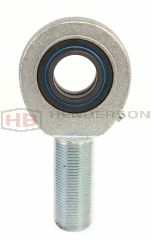
Thin Section Male Rod Ends are designed for applications requiring compact, lightweight articulating joints without compromising performance. These rod ends feature a male threaded shaft, optimised for integration into tight spaces while maintaining strength and precision.
At Henderson Bearings, our range of Thin Section Male Rod Ends is ideal for sophisticated machinery and equipment where a minimal spatial footprint and high reliability are essential. They are particularly suited for automotive, aerospace, and precision engineering applications, offering a slender design that balances durability with functionality
For a complete selection of high-quality Rod Ends, explore our range of Male Rod Ends, Male Rod Ends With Nuts, Male Stainless Steel Rod End - Maintenance Free, and Thin Section Male Rod Ends. We also offer Female Rod Ends, Female Stainless Steel Rod Ends - Maintenance Free, and Thin Section Female Rod End, alongside specialised Ball Joint - SQ-RS Series, Ball Joint - SQZ-RS Series, and Ball Joint SQD Series. For motorsport and high-performance applications, see our Motorsport Rod Ends, while Lock Nuts For Rod Ends, Also know as Half nuts or Jam nuts complete your assemblies. Additional options include Durbal Rod Ends, Rod Ends For Hydraulic Components, Steering Rod Ends, and Rod End Bearing, With welding shank, ensuring the ideal solution for every requirement. Discover the full collection on our Rod Ends category page.
What exactly are thin section male rod ends used for?
Thin section male rod ends are designed for connecting rods in space-constrained assemblies where a standard rod end won't fit. They provide precise articulation while handling tension and misalignment in mechanical systems.
How do thin section male rod ends differ from regular rod ends?
The main difference is their size; these rod ends have a reduced profile making them ideal for applications with limited space. They still offer the necessary movement and load-bearing capabilities.
When is it necessary to replace thin section male rod ends?
You should consider replacing thin section male rod ends if you notice any signs of wear, such as looseness or wobbling, or if the movement is not as smooth as it used to be. Regular inspections can help identify wear before it leads to failure.
Can I install new thin section male rod ends myself?
If you have mechanical expertise and the right tools for the task, you might manage the installation. However, due to the precision involved in fitting these components, it might be best to consult with or hire a professional to ensure they're installed correctly.